)
)
Jaarresultaten en Activiteiten- en ESG-verslag 2025 van BESIX Group
Positieve resultaten dankzij een strikte focus
In een aanhoudend onzekere economische en geopolitieke context boekte BESIX in 2025 positieve resultaten voor de meeste van haar activiteiten. Dat is te danken aan een strikte focus op gedisciplineerde aanbestedingskeuzes, contracten met een evenwichtig risico-rendementsprofiel, een sterke zichtbaarheid van de kasstromen en een succesvolle diversificatie, met name via concessies en publiek-private samenwerkingen (PPS), die opnieuw een hoeksteen bleken van de strategie van de Groep.
)
Activiteiten- en ESG-verslag 2025
Daarnaast publiceerde BESIX Group haar Activiteiten- en ESG-verslag 2025, dat een uitgebreid inzicht geeft in de strategie, prestaties en projecten van het bedrijf. Het verslag is online beschikbaar via annualreport.besix.com.
Aanzienlijke financiële groei
De Groep realiseerde een aanzienlijke omzetstijging van 20,6% op jaarbasis tot EUR 4.158 miljoen (tegenover EUR 3.449 miljoen in 2024). De aangepaste EBITDA daalde met 6,0% op jaarbasis en kwam uit op EUR 141 miljoen (tegenover EUR 150 miljoen in 2024), deels als gevolg van ongunstige wisselkoerseffecten. Na meer dan een verdubbeling tussen 2023 en 2024 groeide het nettoresultaat in 2025 met nog eens 7,1% tot EUR 45 miljoen.
Het eigen vermogen bedroeg eind 2025 EUR 786 miljoen . De nettokaspositie (exclusief IFRS 16, non-recourse- en vastgoedschulden) verbeterde opnieuw aanzienlijk tot EUR 658 miljoen (+43,8% op jaarbasis). BESIX sloot het jaar af met haar op één na grootste orderboek ooit: EUR 6,7 miljard, na een record in 2024. De daling ten opzichte van 2024 is gedeeltelijk toe te schrijven aan ongunstige wisselkoerseffecten.
)
Solide prestaties, met aanzienlijke verschillen tussen activiteiten en regio's
In een veeleisende markt waar bouwheren blijven sturen op een snelle oplevering, hoge normen, een grotere betrokkenheid van stakeholders en een hogere zekerheid, terwijl projecten steeds complexer worden, bleef BESIX Construction gedisciplineerd en gefocust op haar evenwichtige risico-rendementsstrategie.
In België werden solide resultaten gerealiseerd, ondersteund door sterke uitvoeringscapaciteiten en een groeiende projectomvang. Bouwheren doen steeds vaker een beroep op BESIX Construction voor grote en complexe opdrachten, vooral voor infrastructuur- en industriële projecten. Het opleveringsmodel is geëvolueerd om megaprojecten efficiënter te beheren, met positieve feedback van stakeholders. Hoogtepunten in 2025 waren onder meer de oplevering van de Beverentunnel, het KevlinX-datacenter in Neder-Over-Heembeek en het nieuwe Média Square-hoofdkantoor voor de RTBF in Brussel. Daarnaast boekte BESIX Construction ook opmerkelijke vooruitgang op onder andere de Oosterweelverbinding in Antwerpen, de monoslibverwerkingsinstallatie van Aquafin in Gent en de satellietproductiefaciliteit van Aerospacelab in Charleroi.
In de andere Europese markten was het beeld gemengd maar bemoedigend. Nederland zette het herstel voort na een aantal moeilijke jaren, met als hoogtepunten de oplevering van het A16 De Groene Boog-project – een 11 kilometer lange uitbreiding van de snelweg met een tunnel– en de voltooiing van de ruwbouw van het POST-gebouw in Rotterdam, waar BESIX en haar partners een voormalig postkantoor transformeren in een multifunctioneel complex. In Frankrijk, Italië en Letland waren de prestaties solide, met respectievelijk gestage vooruitgang op Triangle in Parijs, viaducten en tunnels in Valfabbrica en Ancona, en het Rail Baltica-treinstation in Riga. In Denemarken daarentegen leed BESIX Construction in 2025 aanzienlijke verliezen op het Nordhavntunnelproject in Kopenhagen, voornamelijk door onvoorziene grondwater- en geotechnische omstandigheden.
In het Midden-Oosten blijft de vraag groot, maar is BESIX Construction zeer selectief. De recente successen in Saoedi-Arabië tonen aan hoe waardevol het is om te focussen op technisch complexe projecten waar de unieke expertise van BESIX Construction tot haar recht komt. In de Verenigde Arabische Emiraten maken bouwheren steeds vaker gebruik van vroegtijdige betrokkenheid van de aannemer (Early Contractor Involvement of bouwteam), wat bijdraagt tot een betere afstemming van verwachtingen en opleveringsprestaties voor alle betrokken stakeholders. In Oman maakte BESIX Construction een gedurfde herintrede, met complexe werkzaamheden in de haven van Sohar, die volgens planning vorderen. In het Midden-Oosten zijn de belangrijkste opleveringen in 2025 het Zayed National Museum in Abu Dhabi (VAE) en de maritieme infrastructuurwerken voor de haven van NEOM (Saoedi-Arabië).
De internationale activiteiten werden in 2025 geconfronteerd met uitdagende omstandigheden, waarbij Brazilië en sommige markten in Afrika te maken hadden met onvoorziene omstandigheden, vertragingen bij de opstart van projecten en prestaties van onderaannemers. BESIX Construction leverde verschillende toonaangevende projecten in Noord-Afrika op, waaronder het Grand Egyptian Museum in Caïro, het grootste museum ooit gewijd aan één enkele beschaving. In Marokko werd de Mohammed VI-toren in Rabat, met een hoogte van 250 meter, in 2025 voltooid en begin 2026 aan de bouwheer opgeleverd.
In Australië liet BESIX Watpac in 2025 sterke resultaten optekenen dankzij een gericht groeiplan. De focus op publieke en semi-publieke bouwheren, vroegtijdige betrokkenheid van de aannemer, contracten in twee fasen, selectie van Tier 1-onderaannemers, goede arbeidsrelaties en eerlijke raamovereenkomsten bleken bijzonder doeltreffend, vooral in defensie, gezondheidszorg en infrastructuur voor grote evenementen. Belangrijke opleveringen in 2025 waren onder andere het Eastwood Private Hospital in Adelaide en de CSL Seqirus‑productiefaciliteit voor celgebaseerde griepvaccins en antigif in Melbourne.
)
BESIX Affiliates, de regionale en gespecialiseerde aannemers van de Groep in de Benelux en Frankrijk, zetten sterke prestaties neer in 2025, met een globale nettomarge van meer dan 3%.
Elke entiteit droeg bij aan het collectieve resultaat. Jacques Delens realiseerde grote renovatieprojecten van sociale woningen in Brussel en leverde cruciale gemeenschapsprojecten op, waaronder een sporthal in Evere. Wust voltooide toonaangevende projecten zoals het Nexova Cybersecurity Centre en een nieuw politiebureau in La Louvière. LuxTP zal in 2026 het nieuwe hoofdkantoor voor het Luxemburgse Rode Kruis opleveren en het bedrijf heeft onder andere de uitbreiding van de Philharmonie Luxembourg binnengehaald. Vanhout zette haar activiteiten voort in zowel de publieke als private sector, onder meer gebouwen en civiele werken voor het ONE-project van INEOS in Antwerpen en het Constructiv-kantoor in Brussel. Socogetra leverde een belangrijke bijdrage aan de vernieuwing van infrastructuur in Wallonië en Brussel, waaronder de GEN-lijnen 161 en 124. Ze leverde ook een belangrijke bijdrage aan industriële projecten, waaronder het GO4ZERO-project (civiele werken voor een koolstofvrije cementfabriek voor Holcim) in Obourg. Eind 2025 verwierf het bedrijf een belang van 70% in Béton Refect SA, een toonaangevende speler in betonreparatie in Wallonië. BESIX Environment ondersteunde de duurzame ambities van de Groep met aanzienlijke vooruitgang op de grootschalige groenewaterstofproductiefaciliteit Hyoffwind in Zeebrugge. BESIX Unitec realiseerde belangrijke nutswerken in Antwerpen en sloot een nieuwe raamovereenkomst met Orange voor glasvezel- en coaxverbindingen. BESIX Infra speelde een sleutelrol in mobiliteitsprojecten zoals de Oosterweelverbinding in Antwerpen en de Beverentunnel. Franki Foundations bleef complexe funderingswerken uitvoeren, zowel in België als daarbuiten, waaronder voor de projecten Oosterweel en de R4WO-projecten. In september rondde het bedrijf de verkoop van haar Britse dochterondernemingen af.
)
Na jaren van gestage groei werd BESIX RED, de vastgoedontwikkelingspoot van de Groep, geconfronteerd met een van de meest uitdagende marktomstandigheden van de voorbije decennia. Stijgende kosten voor inflatie, energie, bouw en financiering, in combinatie met langdurige vergunningsprocedures, bleven wegen op de vastgoedsector in Europa, meer bepaald in België en Luxemburg.
Binnen deze moeilijke marktomgeving rapporteerde BESIX RED een lagere omzet op jaarbasis, wat de vertraging van de ontwikkelingsactiviteiten in verschillende markten weerspiegelt. Het resultaat was vooral te danken aan de verkoop van WellBe in Lissabon, Portugal (27.600 m²), die in de zomer werden opgeleverd aan Caixa Geral de Depósitos, en van PURE – La Madeleine (8.000 m²) nabij Lille aan Swiss Life Asset Managers France. BESIX RED huldigde ook DUUO I in, haar eerste residentiële ontwikkeling in Lissabon. De prestaties van het bedrijf werden globaal ondersteund door de verkoop van woningen in verschillende projecten in België en Portugal, goed voor ongeveer 150 verkochte eenheden in 2025. Aan het einde van het jaar bedroeg de nettoboekwaarde van de ontwikkelingsportefeuille EUR 475 miljoen. BESIX RED breidde haar diversificatiestrategie verder uit binnen speciaal gebouwde studenthuisvesting (PBSA). In België lanceerde ze Agora Campus in Bergen. Dat is een studentenwoonproject met een huurovereenkomst op lange termijn met de Universiteit van Bergen, wat zorgt voor een stabiele bezettingsgraad en inkomenszekerheid op lange termijn. BESIX RED werkte ook samen met Promiris voor de ontwikkeling van ongeveer 2.000 studentenwoningen in vijf steden in Portugal en Spanje.
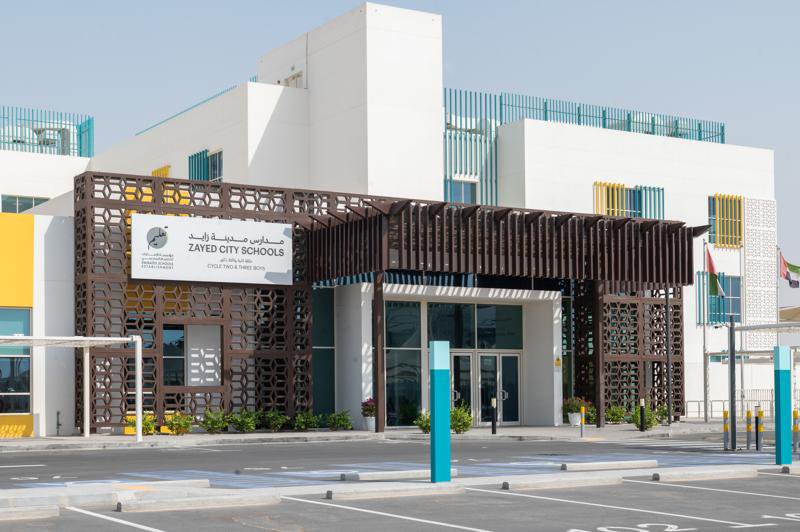
In 2025 zette BESIX Invest verschillende grote infrastructuurprojecten in haar kernmarkten voort, waarmee ze haar rol als langetermijnpartner in publiek-private samenwerkingen (PPS) verder versterkte. In Abu Dhabi (VAE) werd de financiële afronding bereikt voor de Khalifa City School – in het kader van het initiatief Zayed City Schools PPP Augmentation – waarmee een nieuwe campus voor meer dan 3.000 leerlingen wordt gerealiseerd op basis van een concessie van 18 jaar. In Dubai heeft de afvalenergiecentrale van Warsan haar eerste volledige exploitatiejaar afgerond. Daarbij werd 220 MW elektriciteit opgewekt uit vast stedelijk afval, wat de bijdrage van infrastructuur aan de energietransitie in de regio illustreert. In Europa bereikte BESIX Invest de commerciële en financiële afronding voor het snelwegproject ViA15 in Nederland, dat een kritieke kloof in het nationale wegennet zal dichten.
BESIX Invest bleef haar activiteiten op het vlak van duurzame en innovatieve infrastructuur verder uitbreiden. In België tekende de Groep een overeenkomst voor de ontwikkeling van de PIPER‑BW Renewable Energy Hub, geleid door BESIX Power, die haar ambities op het vlak van hernieuwbare energie steunpunten biedt. Tegelijkertijd onderging BESIX Technology een strategische heroriëntatie, waarbij geselecteerde participaties met beperkte langetermijnvooruitzichten werden stopgezet. Tot de nieuwe en voortgezette investeringen behoren Mobius Benelux, een specialist in circulaire economie die de CO₂-uitstoot vermindert door het renoveren en doorverkopen van verhoogde vloertegels.
Tastbare vooruitgang boeken op duurzaamheidsambities
In 2025 bleef BESIX haar duurzaamheidsambities verder omzetten in concrete acties, met de nadruk op praktische oplossingen, transparantie en naleving van regelgeving. De activiteiten van de Groep in de Benelux en Frankrijk (11 entiteiten) behielden hun certificering op niveau 5 van de CO₂-prestatieladder, het hoogste niveau van koolstofbeheer, en startten de voorbereidingen voor naleving van de Europese Corporate Sustainability Reporting Directive (CSRD), die vanaf boekjaar 2027 verplicht wordt. Het bedrijf kreeg ook de SDG Pioneer Award in het kader van het CIFAL-UNITAR-programma, een erkenning voor de gestructureerde integratie van de Sustainable Development Goals van de Verenigde Naties in de activiteiten en besluitvorming van de Groep.
In de Benelux en Frankrijk heeft BESIX haar doelstellingen voor de vermindering van de emissie-intensiteit van Scope 1 en 2 eerder dan verwacht bereikt, wat leidde tot een aangescherpte ambitie van een vermindering met 57% tegen 2030 (ten opzichte van 2019), een stijging ten opzichte van de oorspronkelijke 40%. Alle elektriciteit die door elf BESIX-entiteiten in de Benelux en Frankrijk wordt aangekocht, wordt nu gedekt door 100% hernieuwbare energie-oorsprongsgaranties. Tegelijkertijd ging de elektrificatie van het wagenpark verder: ongeveer 10% van de voertuigen van nutsvoorzieningen in deze landen is nu volledig elektrisch. Deze maatregelen weerspiegelen samen een gestructureerde en meetbare aanpak om de ecologische voetafdruk van de Groep te verkleinen en tegelijkertijd de operationele veerkracht op lange termijn te ondersteunen.
BESIX versterkte ook haar rol als partner bij het leveren van duurzamere oplossingen aan haar klanten. De teams van Engineering werkten nauw samen met projectleiding om de milieu-impact al vanaf de vroegste ontwerpfasen te beperken. Daarbij werd steeds vaker gebruik gemaakt van CO₂-levenscyclusanalyses om technische keuzes te sturen. Deze benadering komt tot uiting in een reeks uiteenlopende projecten, zoals in België de Hyoffwind-fabriek voor de productie van groene waterstof, de GO4ZERO koolstofarme cementfabriek, de renovatie van het Vlaams Administratief Centrum in Antwerpen (VACANT) en de duurzame campusontwikkelingen voor de Universiteit van Bergen. In het Midden-Oosten illustreert het NEOM-havenproject in Saoedi-Arabië hoe BESIX aan bouwheren steunpunten biedt bij het integreren van duurzaamheid vanaf het begin in complexe, grootschalige infrastructuur.
Een hernieuwde focus op de veiligheid van onze werknemers
In 2025 lieten de veiligheidsprestaties zien dat er al veel inzet was, maar dat er ook nog dingen beter kunnen. In de loop van het jaar deden zich drie dodelijke ongevallen voor: twee waarbij werknemers van de Groep zelf betrokken waren en één waarbij een onderaannemer betrokken was. Deze tragische gebeurtenissen benadrukken dat het bereiken van consistente veiligheidsresultaten bij alle activiteiten een cruciale uitdaging blijft.
Als reactie hierop versterkte BESIX de uitvoering van haar gezondheids- en veiligheidsstrategie in de loop van 2025, met bijzondere aandacht voor BESIX Construction en BESIX Affiliates, de twee bedrijfslijnen met de grootste blootstelling aan operationeel risico. BESIX heeft duidelijke verbeteringsplannen opgezet om de verantwoordelijkheid van leidinggevenden, preventief gedrag en de betrokkenheid van onderaannemers te vergroten. De focus ligt nu meer op het voorkomen van ongevallen, bijvoorbeeld door vaker Management Safety Walks te organiseren, meer BE SAFE-ambassadeurs in te zetten en de Life-Saving Rules strikter te hanteren op basis van risicoanalyses op de werkvloer. Onderaannemers worden beter betrokken door hen dezelfde veiligheidsopleidingen en hulpmiddelen te geven als het eigen personeel. Ook al zijn de resultaten hiervan in 2025 nog niet helemaal zichtbaar, deze stappen zijn bedoeld om op lange termijn veiliger te werken en het doel van nul dodelijke ongevallen te halen. Dat blijkt ook uit het dalende aantal arbeidsongevallen in het laatste kwartaal van 2025.
Vooruitzichten voor 2026
BESIX volgt de situatie in het Midden-Oosten en aangrenzende gebieden op de voet. De teams in de regio zetten hun activiteiten voort onder zorgvuldig gecontroleerde omstandigheden, in nauwe samenwerking met lokale partners en autoriteiten. Hun veiligheid en welzijn blijven onze hoogste prioriteit. Op een beperkt aantal locaties heeft BESIX voorzorgsmaatregelen genomen, waaronder tijdelijke aanpassingen van bepaalde activiteiten, op basis van lokale ontwikkelingen.
Het bedrijf is sinds 1966 actief in de regio. Haar activiteiten omvatten grote infrastructuur-, gebouwen- en maritieme projecten die worden uitgevoerd door lokale en internationale collega’s die in deze landen wonen en werken en een integraal onderdeel van haar organisatie vormen. Sinds de jaren 1960 heeft het bedrijf vele uitdagende tijden in de Golfregio doorstaan, met professionaliteit, veerkracht en solidariteit.
Dit jaar richt BESIX Construction zich opnieuw op kwalitatieve groei, goed risicobeheer en sterke uitvoering. De marktomstandigheden blijven uitdagend, maar met een stevig orderboek, een betere balans tussen risico en opbrengst en volwassen leveringsmodellen start de bedrijfslijn met een solide basis. De focus ligt op het zorgvuldig kiezen van projecten, samenwerken met de bouwheer en voorspelbare uitvoering. Tegelijk worden de geopolitieke ontwikkelingen, vooral in het Midden-Oosten, goed opgevolgd, waarbij de veiligheid en het welzijn van de lokale teams altijd voorop staan.
Belangrijke opleveringen in 2026 zijn onder andere het Guggenheim Abu Dhabi Museum (VAE), het Aramco Stadium in Saoedi-Arabië, de Portonave maritieme infrastructuur in Navegantes (Brazilië), de GO4ZERO koolstofarme cementproductiefaciliteit in België en het Woolworths Sydney Chilled and Fresh Distribution Centre (Australië). In het eerste kwartaal van het jaar leverde het BESIX Watpac het historische One New Zealand Stadium op in Christchurch, met een capaciteit van 30.000 zitplaatsen, wat het eerste grote project van het bedrijf in het land markeert. Ten slotte heeft BESIX onlangs grote maritieme werken in Mozambique hervat, waaronder een van ’s werelds langste steigerconstructies.
Met een solide orderboek van contracten met gezonde marges zijn de BESIX Affiliates goed gepositioneerd voor verdere groei in 2026. De focus zal liggen op het leveren van geïntegreerde oplossingen via een versterkte ‘one-stop-shop’-aanpak en een intensievere samenwerking tussen de verschillende entiteiten. Deze aanpak moet de dochterbedrijven helpen om nog betere resultaten te halen en nog meer waarde toe te voegen aan de Groep.
Aangezien de financieringsvoorwaarden krap blijven en de investeringsactiviteit op verschillende Europese markten terughoudend is, verwacht BESIX RED dat het vastgoedklimaat in 2026 uitdagend zal blijven. In deze context zal de bedrijfslijn zich sterk blijven richten op operationele discipline, zorgvuldige kapitaalallocatie en selectief portefeuillebeheer, en tegelijkertijd belangrijke ontwikkelingen in haar kernmarkten bevorderen. Naar verwachting zullen verschillende toonaangevende projecten op het gebied van woningen, kantoren en gemengd gebruik vorderen in de bouw- of commercialisatiefase, wat de geleidelijke verdere ontwikkeling van de projectpijplijn ondersteunt ondanks ongunstige marktomstandigheden.
Tot slot zal BESIX Invest zich blijven richten op de verdere verbetering van de financiële prestaties van haar bestaande activa en op de oplevering van projecten die nog in aanbouw zijn in België, Nederland en de VAE. In België zorgt een sterke pijplijn van grote civiele en infrastructuurprojecten, vooral in Vlaanderen, voor gunstige vooruitzichten, aangevuld met bijkomende kansen in publiek-private samenwerkingen voor gebouwen. In het Midden-Oosten is het vertrouwen in het BOOT-model groot, met name in Abu Dhabi, hoewel de timing van projecten door de geopolitieke onzekerheid minder voorspelbaar is. BESIX Power zal zich voornamelijk blijven richten op Europa, maar onderzoekt actief de mogelijkheden om haar activiteiten op het vlak van hernieuwbare energie uit te breiden buiten haar huidige geografische voetafdruk.
)